Roofing and Remodeling in Combine for Houses With Some History
We handle residential roofing, commercial roofing and commercial contracting, plus kitchen remodeling and bathroom remodeling, in Combine, Seagoville and Crandall. Older buildings come with surprises: a second layer of shingles, ungrounded wiring, a bath fan that vents into the attic. We find those before we price the job, so the estimate holds.
- Free written estimates
- Photos of what we find
- Hidden costs priced upfront
- Site swept every day
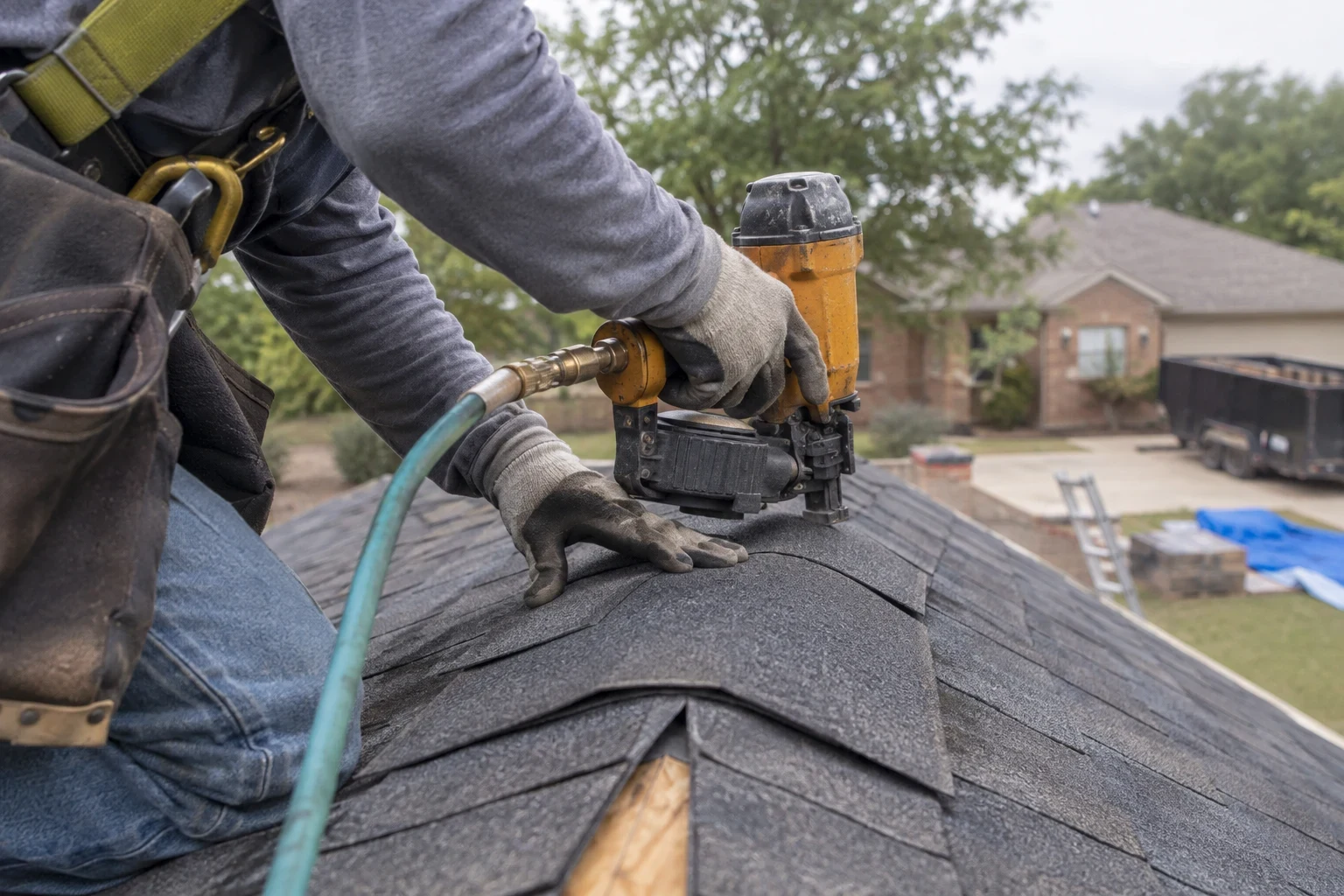
What Moves the Price on an Older House
Two projects with the same square footage can price very differently. Most of the gap comes from what earlier owners and contractors left behind, which is why we look before we quote. These are the items that shift an estimate most.
Your estimate is free, written line by line, and lists any conditional items with their unit cost before work begins. If the scope changes, we talk it through with you before doing anything extra.
- Layers already on the roof
- Two layers of shingles mean more tear-off labor and more disposal weight. They also hide the deck, so we account for that uncertainty in the estimate.
- Decking condition
- Roofs from past decades may sit on plank decking with gaps between boards, or on plywood that has delaminated from years of attic moisture. Any sheet that won't hold a nail has to be replaced before new underlayment goes down.
- Size, pitch and access
- Steeper slopes need more fall protection setup and slow the crew down. Tight driveways, overhead lines and trees close to the eaves change how we stage materials and haul debris.
- The materials you choose
- Your material pick sets a large share of the cost. A standard laminated shingle, a Class 4 impact-resistant shingle and a standing-seam metal roof each carry their own material and labor cost, and each holds up to North Texas hail and summer heat in its own way. Fixture and finish picks play that same role in a remodel.
- What's behind the walls
- Kitchens and bathrooms that predate current code can hold galvanized supply lines, cast iron drains or two-prong circuits. When those need updating to pass a permit, they become part of the scope.
- Permits and sign-off
- Work that touches plumbing, electrical, venting or the roof structure usually needs a permit and an inspector's visit. We build that time and the fees into the estimate.
Roofing, Remodeling and Commercial Work
Our work falls into five areas: residential roofing, commercial roofing, commercial contracting, kitchen remodeling and bathroom remodeling. Roofing Combine is licensed and has 10 years of experience behind every one, much of it on buildings that someone had already patched once or twice. Our workmanship warranty covers eligible projects, with coverage that differs by service, and your estimate shows which parts of the job qualify.
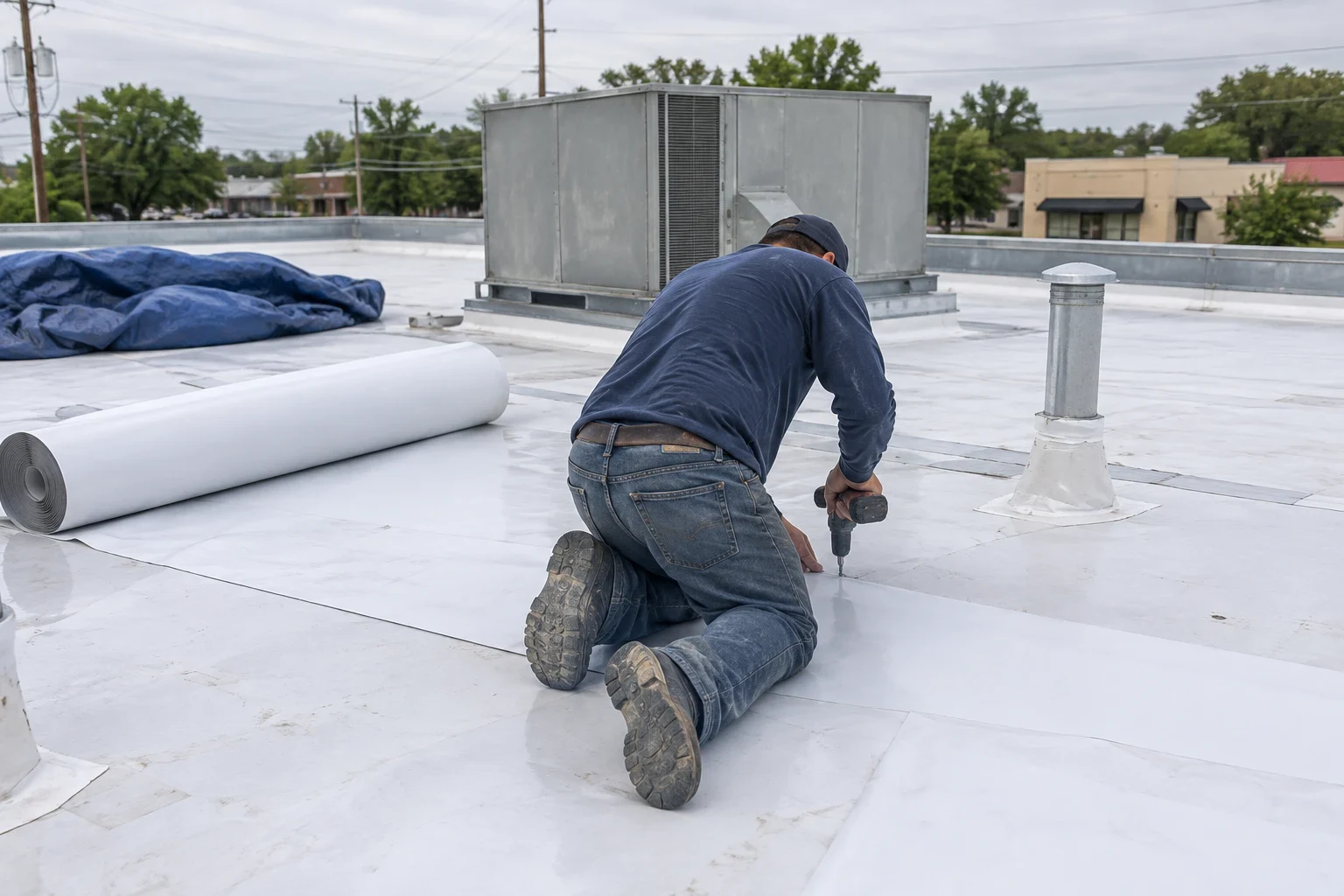
Commercial Roofing
Low-slope and metal roof systems for shops, offices and small commercial buildings, planned around old layers, tired drains and what is under the membrane.
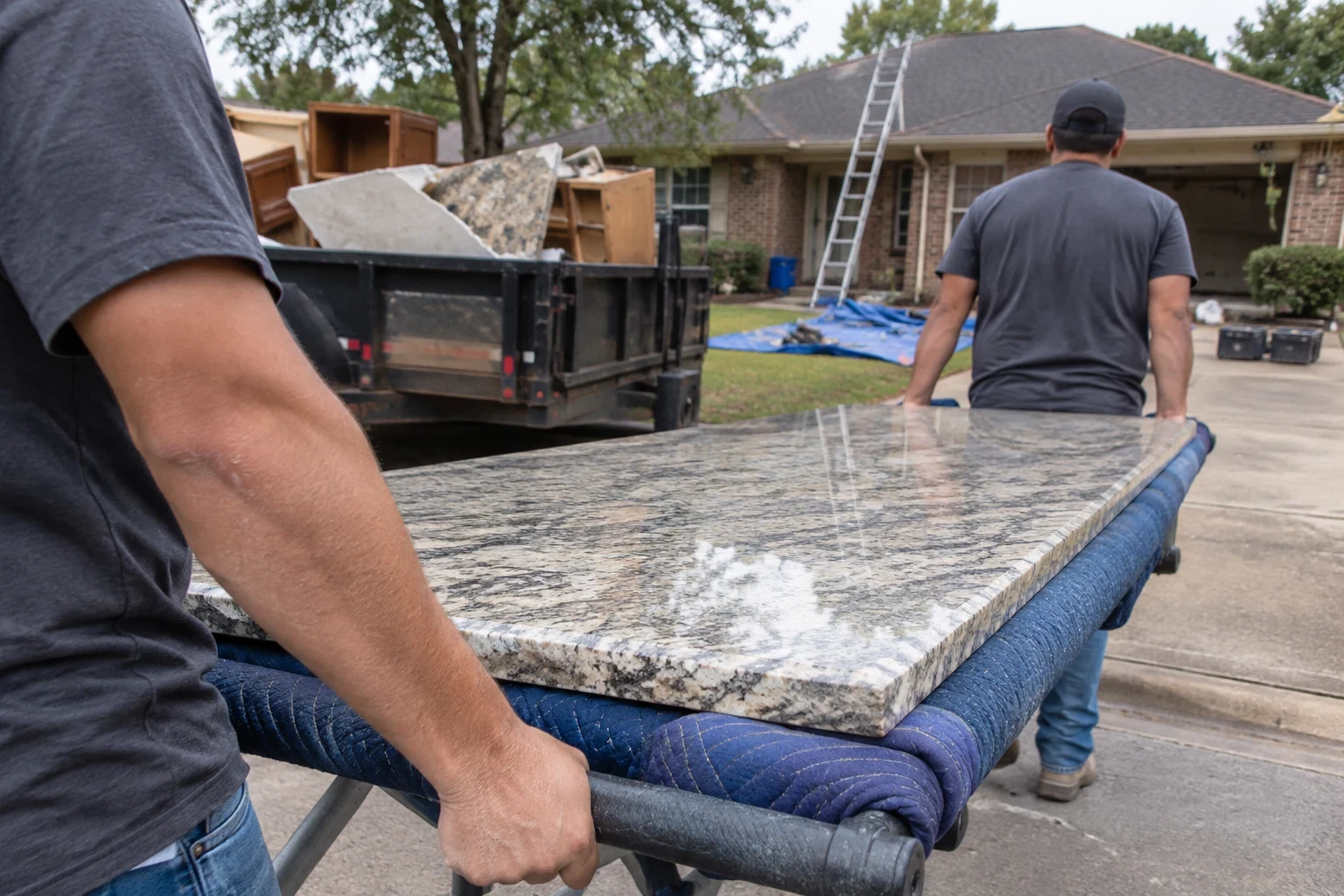
Kitchen Remodeling
Kitchen remodels for houses with decades of history, with wiring, drain lines, venting and subfloor checked and corrected before the new layout goes in.
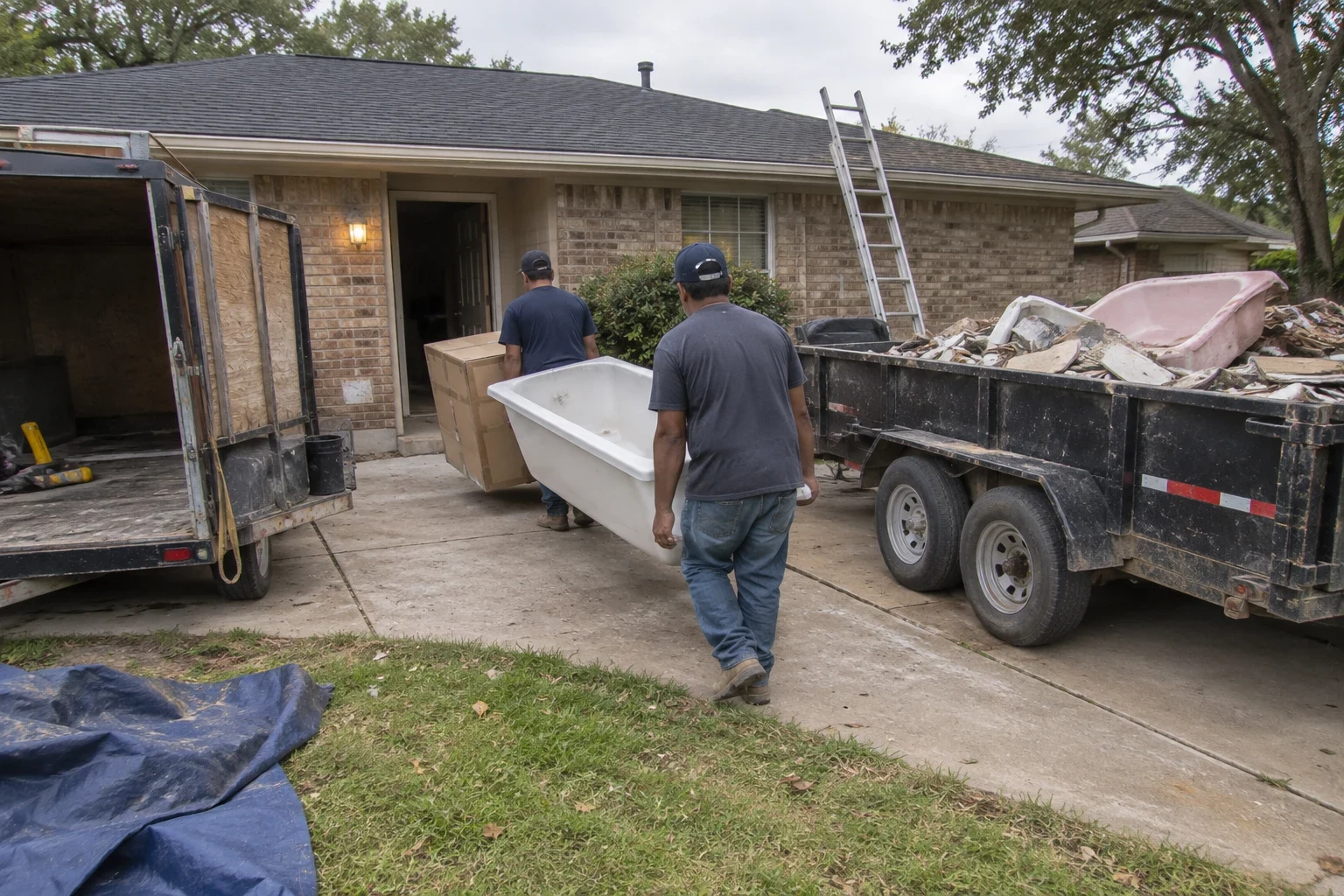
Bathroom Remodeling
Bathroom remodels that start by opening up and correcting old plumbing, rotted subfloor and poor venting, so the new shower and fixtures last.
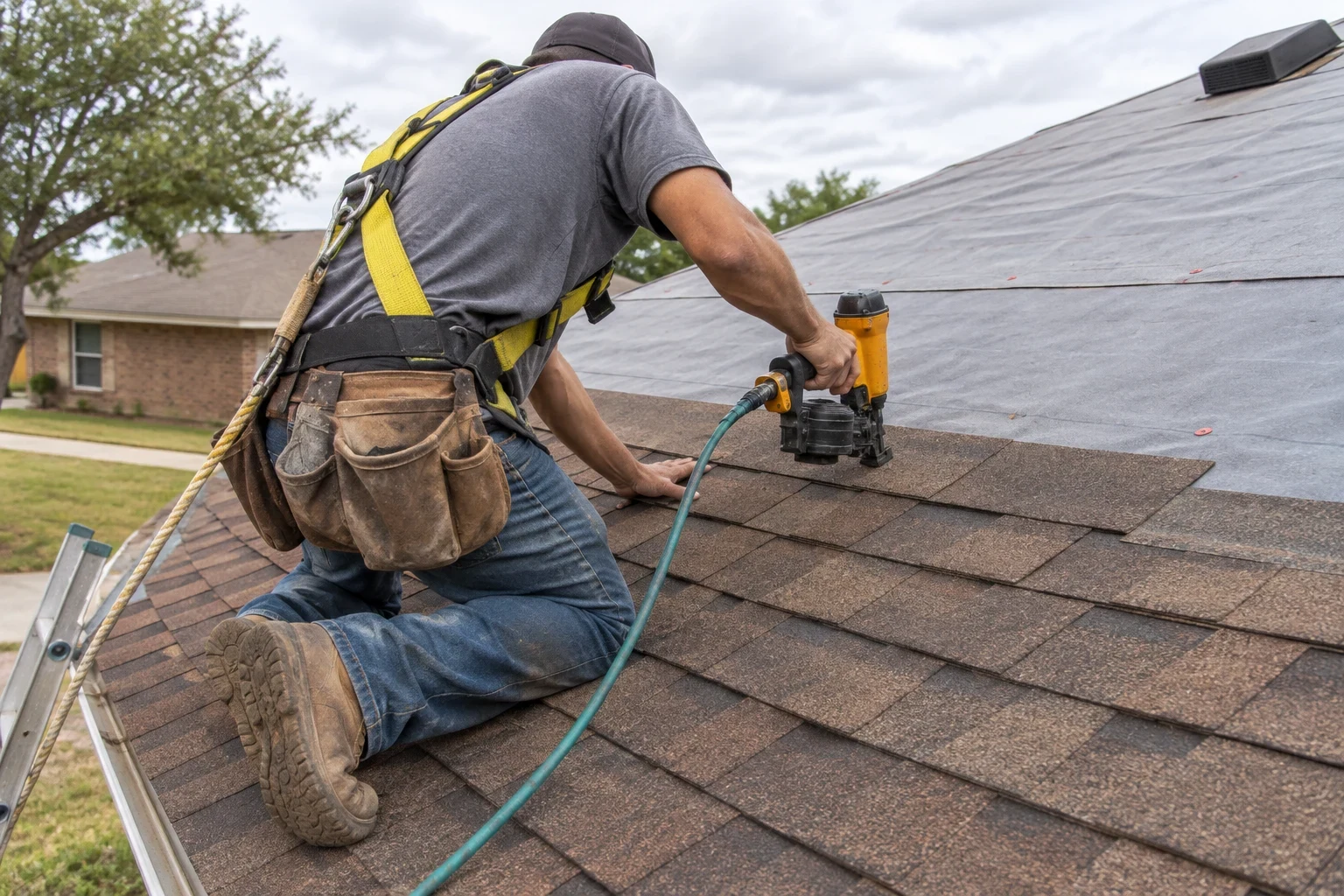
Residential Roofing
New roof systems for houses with layered shingles, plank decking and old flashing, installed from a bare deck up with every part accounted for.
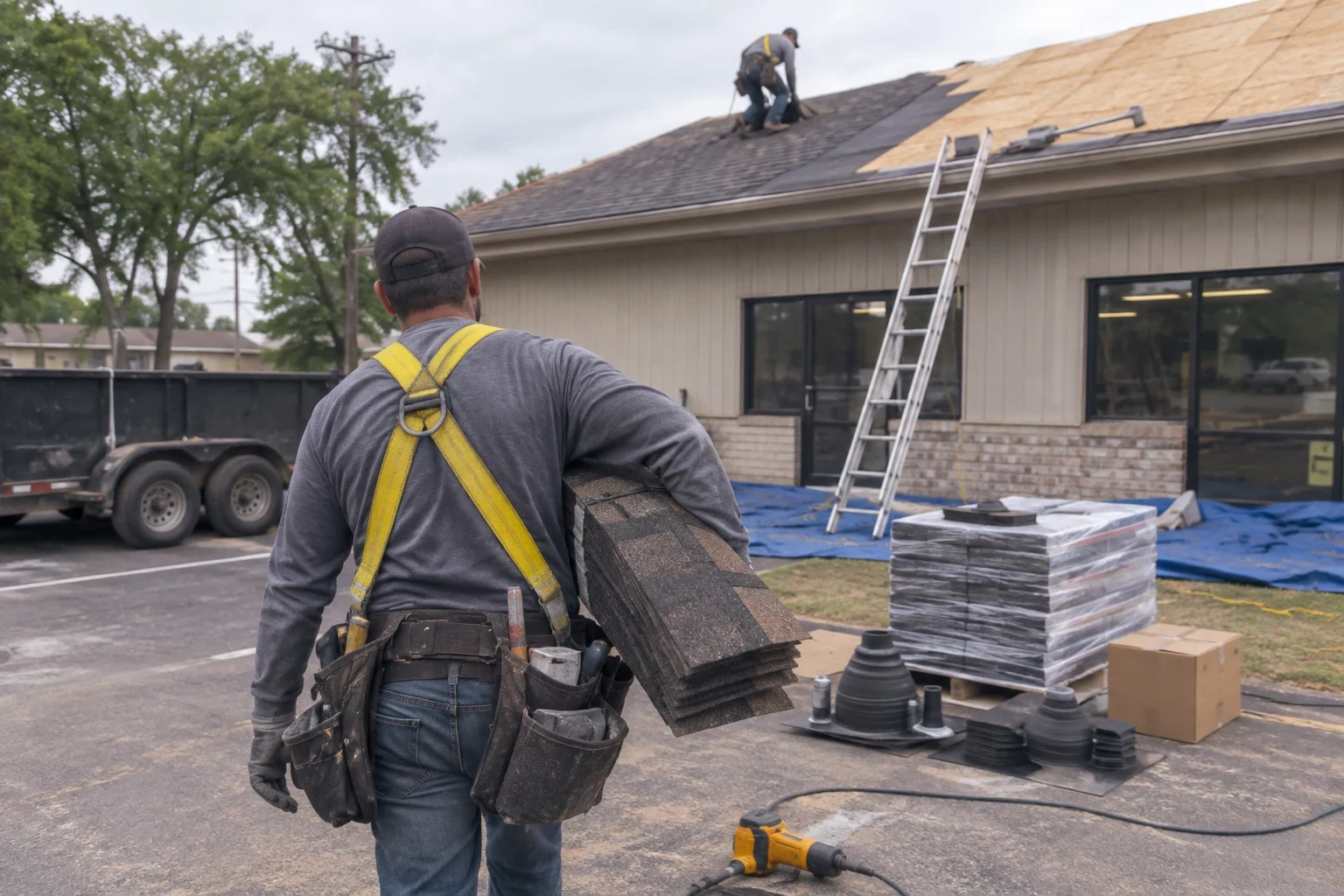
Commercial Contracting
Restroom, break room and kitchen projects for offices, shops and retail spaces, planned around older plumbing, wiring and past tenant changes.
How We Handle a House With a Past
A house with a few decades on it rarely matches its original plans. Somebody added a layer, swapped a fixture or ran a circuit off whatever was closest. Our work starts with finding those changes.
We read the old work before pricing new work
On a roof, that means lifting a few tabs at the eaves to count layers, checking whether flashing was replaced or just smeared with tar, and pressing on the deck near valleys where soft plywood shows first. Inside, we look under the sink and at the electrical panel before we talk about layout.
Photos of what we found
You get pictures of the cracked pipe boot, the rusted vent cap or the scorched outlet box. You can see why an item is on the estimate instead of taking our word for it.
Conditional costs named before work starts
Some problems stay hidden until old material comes off, like rotted decking under a roof-over or a corroded drain behind a bathroom wall. We list those as separate line items with a unit price. If they turn up, you already know what they cost.
Outdated parts brought up to current code
Houses built under earlier code cycles often lack drip edge, have bath fans blowing into attic insulation, or have kitchen outlets with no GFCI protection. We explain what the current code expects and why it matters, then build to it.
Your property protected while we work
We cover plants and AC units before tear-off, run a magnet across the yard for nails and keep dust barriers up indoors. You should still be able to use your driveway and the rest of your home.
How a Project Runs, Start to Finish
The order is the same for the roof over your home and for a bathroom down the hall.
- 1
A phone conversation
You tell us what's going on and roughly how old the building is. We ask about any past work you know of, since that shapes where we look.
- 2
A walk-through at your property
We measure, take photos and check the places aging buildings hide trouble: the attic, the eaves, the plumbing access and the electrical panel.
- 3
A written estimate you can follow
Each line says what the item is and why it's needed, with conditional items listed separately. We go over it with you by phone and answer questions about any line.
- 4
The work, with updates
We pull permits where they're required, protect the property and tell you right away if opening something up changes the picture. Nothing extra happens without your approval.
- 5
Final walk-through and cleanup
We walk the finished work with you, show you what was replaced and leave the site swept.
Where We Work
We're based in Combine and take projects across the surrounding area, including Seagoville, Crandall, Heartland, Wilmer, Ferris, Talty, Mesquite, Forney, Balch Springs and Kaufman. Residential roofing and remodels make up much of our work, and we take commercial roofing and contracting jobs in the same towns. Properties with a few decades behind them are exactly the kind of work we're set up for.
- Combine
- Seagoville
- Crandall
- Heartland
- Wilmer
- Ferris
- Talty
- Mesquite
- Forney
- Balch Springs
- Kaufman
If your property sits just outside these towns, mention the location when you call about your free estimate and we'll tell you if it's in range.
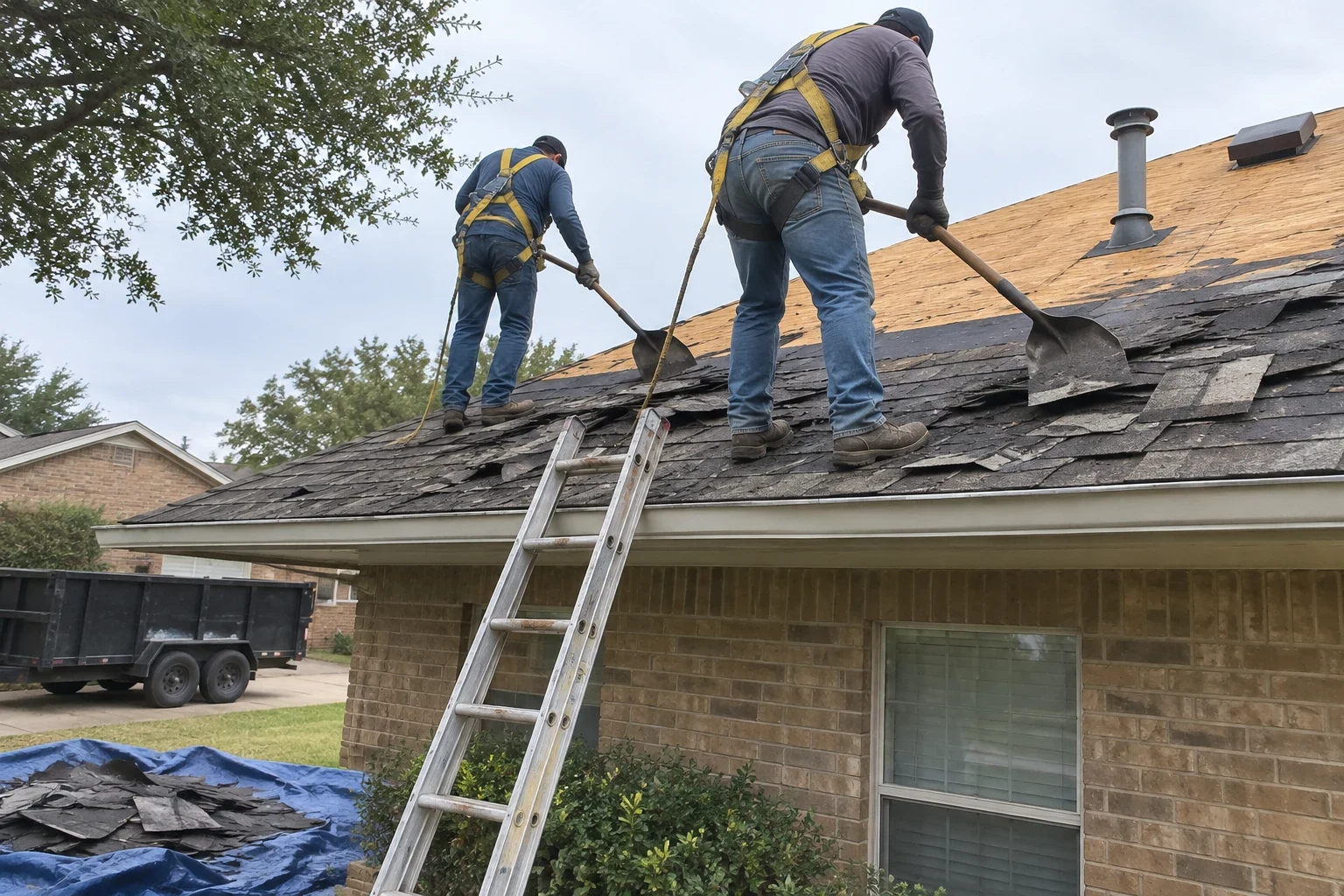
A Contractor That Expects Surprises
Roofing Combine spends most of its days on buildings that have been around a while, and that has shaped how we work. We assume a house has been changed since it was built, and we look for those changes before we write a number down.
Most of the trouble in a house with some years on it comes from parts that were fine once and aren't anymore: three-tab shingles past their service life, aluminum branch wiring, a bath fan ducted straight into attic insulation, a pipe boot whose rubber collar has split from years of sun. None of it is unusual. It just needs to be found early, named plainly and priced honestly.
We would rather tell you on day one that a job is bigger than you hoped than surprise you on day three. That is the whole idea behind how we estimate.
- License
- Licensed
- In business
- 10 years of experience
- Warranty
- Workmanship warranty on eligible projects; coverage varies by service
Questions We Hear Often
- Do I pay anything for the estimate?
- No. A visit to your property and the written estimate that follows cost you nothing. Once you have it in hand, the decision is yours, and there is no obligation to book the work with us.
- My roof already has two layers of shingles. Can you go over them again?
- We advise against it. A third layer puts more weight on rafters that may already be undersized by current standards, and it covers the deck so soft spots stay hidden. Our estimate assumes a full tear-off down to the deck so we can see what's there and deal with it.
- What happens if you find rotted decking once the old roof comes off?
- Your estimate already lists it as a conditional item with a per-sheet price. We photograph the damaged sections, give you a count of the sheets that need replacing and continue only after you agree. That way the final bill matches what you planned for.
- Will a kitchen or bathroom remodel mean updating old plumbing and wiring?
- Often it will, particularly in a house built decades ago. Once walls are opened, the permit generally requires the new work to meet current code, which can mean GFCI outlets near sinks, dedicated appliance circuits or swapping out galvanized supply lines. We look for these during the walk-through so they show up on the estimate from day one instead of as a later add-on.
- Do you handle permits?
- We do. If a project calls for a permit, we pull it and line up the required inspections with the city or county. The paperwork stays on our side, not yours.
- Is your work covered after the job is finished?
- Eligible projects carry our workmanship warranty, and coverage varies by service. Before you sign, we mark which parts of your job qualify and explain what the coverage means for that specific work.
- Do you work on commercial buildings too?
- Yes. Our commercial roofing covers low-slope roofs, including membrane systems, where standing water and tired parapet flashing tend to cause leaks. We also take on commercial contracting and schedule it around the hours your business keeps.
- How long will my project take?
- That depends on the scope and on what turns up once old material is removed. Roofs usually wrap up sooner than remodels, because kitchens and bathrooms pause for permit inspections between stages. Your estimate comes with a schedule, and we call you if anything moves.
Find Out What Your Project Really Involves
One visit tells us what's original, what's been patched and what needs attention. You get a free written estimate that accounts for all of it.